Blood Gas Family
SEAHARVEST Medical is providing full laboratory automatic solutions with collaboration of different market leaders.
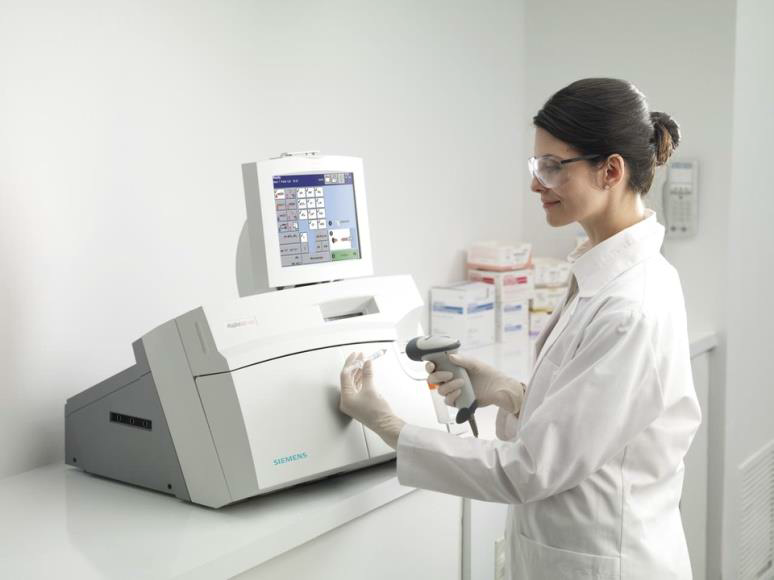
Designed to maximize turnaround time, Seaharvest Provides through Siemens the RAPIDLab 1200 Systems have the capacity to enhance blood gas testing efficiency in the clinical laboratory by combining testing speed and reliability with low maintenance. RAPIDLab 1200 systems are our proven solution for high-volume critical care testing sites.
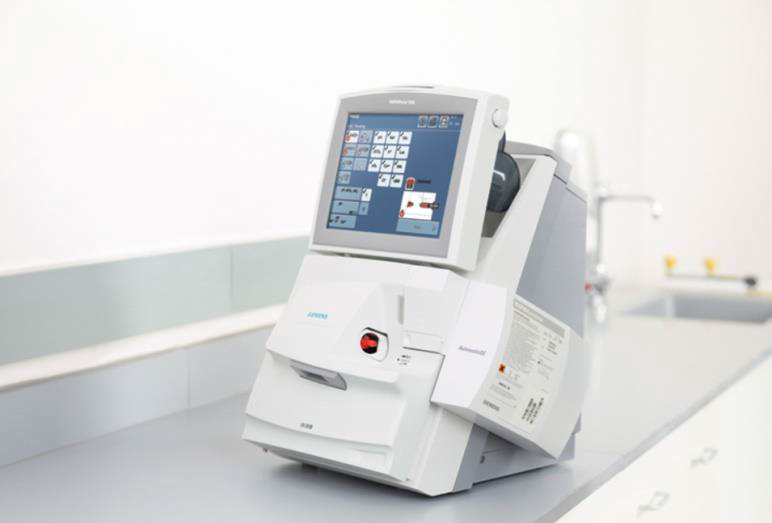
Also designed to meet the challenges of point-of-care settings, RAPIDPoint 500 Blood Gas Systems leverage proven Siemens technology to deliver fast, accurate and comprehensive test results in approximately 60 seconds. These flexible, easy-to-use analyzers help free your clinicians to focus on improved patient care without reliability or maintenance worries.
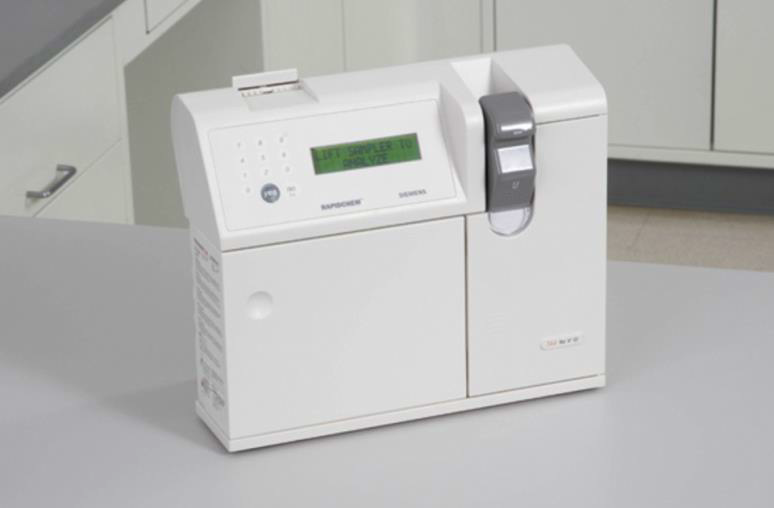
Siemens RAPIDChem analyzers are a cost-efficient solution for rapid electrolyte and lithium testing in busy laboratories and clinics. Designed to accommodate a variety of specimen types, RAPIDChem 744/754 analyzers generate fast patient results while reducing operator exposure to biohazards.
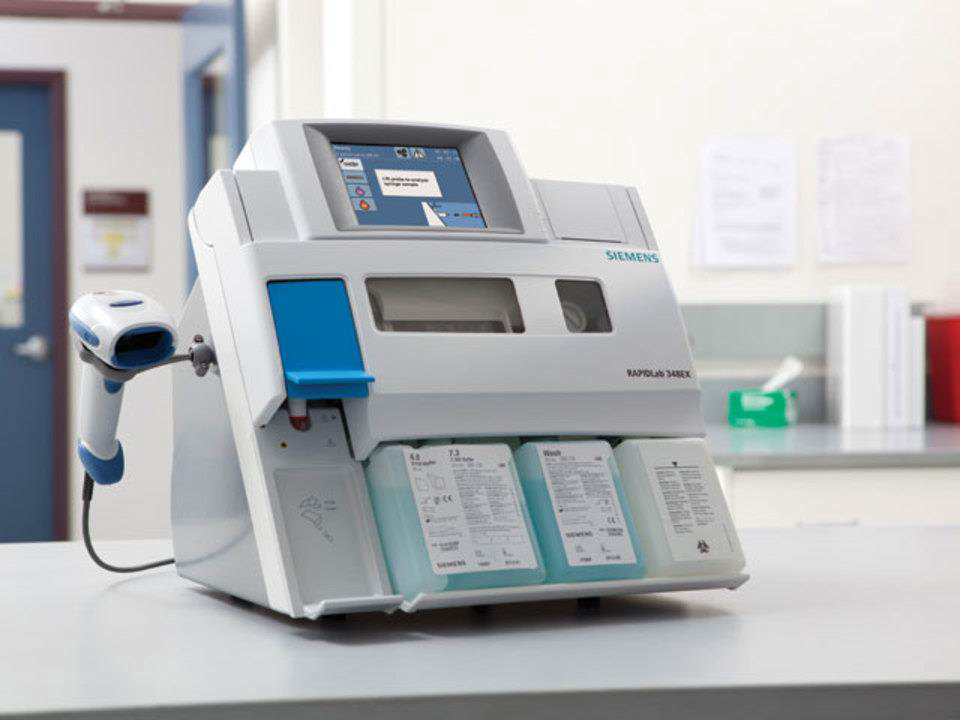
The RAPIDLab 348EX Blood Gas System is the cost- effective solution for smaller laboratories tasked with the challenge of performing fast-turnaround critical care tests. Fully-automated operation supports low-to- medium throughput on an easy-to-use analyzer that’s ready to generate accurate, on-demand results when clinicians need them, with a minimum of operator involvement.
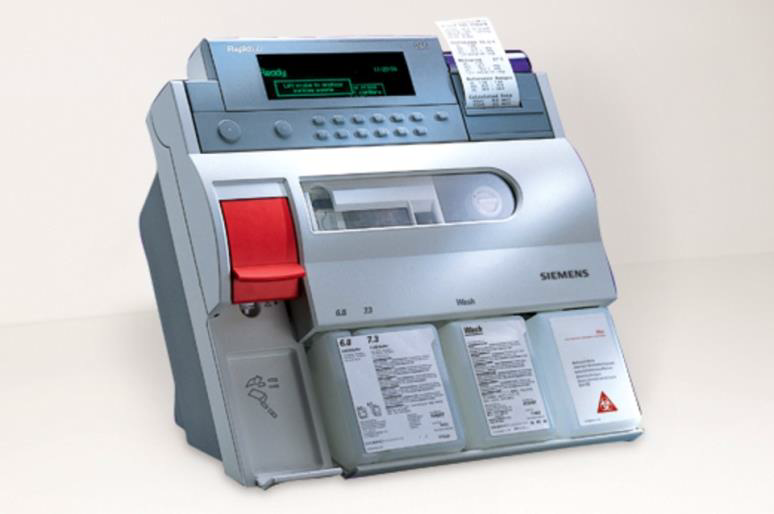
RAPIDLab 248/348 analyzers can be the perfect choice for economical blood gas testing in many critical care environments. Fully automated operation ensures fast, accurate results with a minimum of operator involvement, allowing important treatment decisions to be made at an early stage.
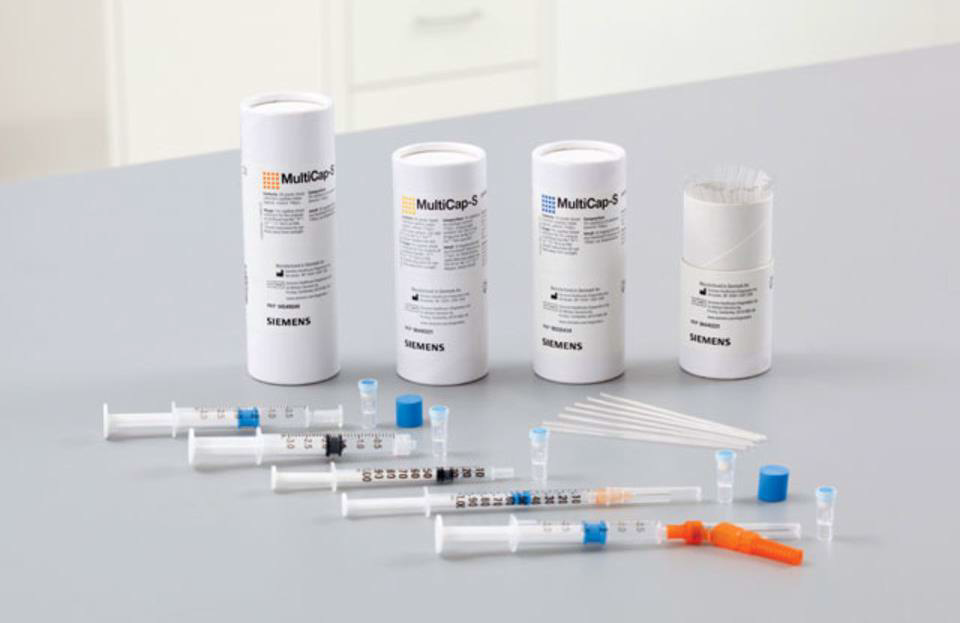
RAPIDLyte arterial blood gas sampling syringes and Multicap™ capillaries are designed to help minimize pre- analytical error, help keep users safe, and help maximize workflow efficiencies. They are available in a variety of sizes and configurations to meet your clinical needs across a range of critical care settings.